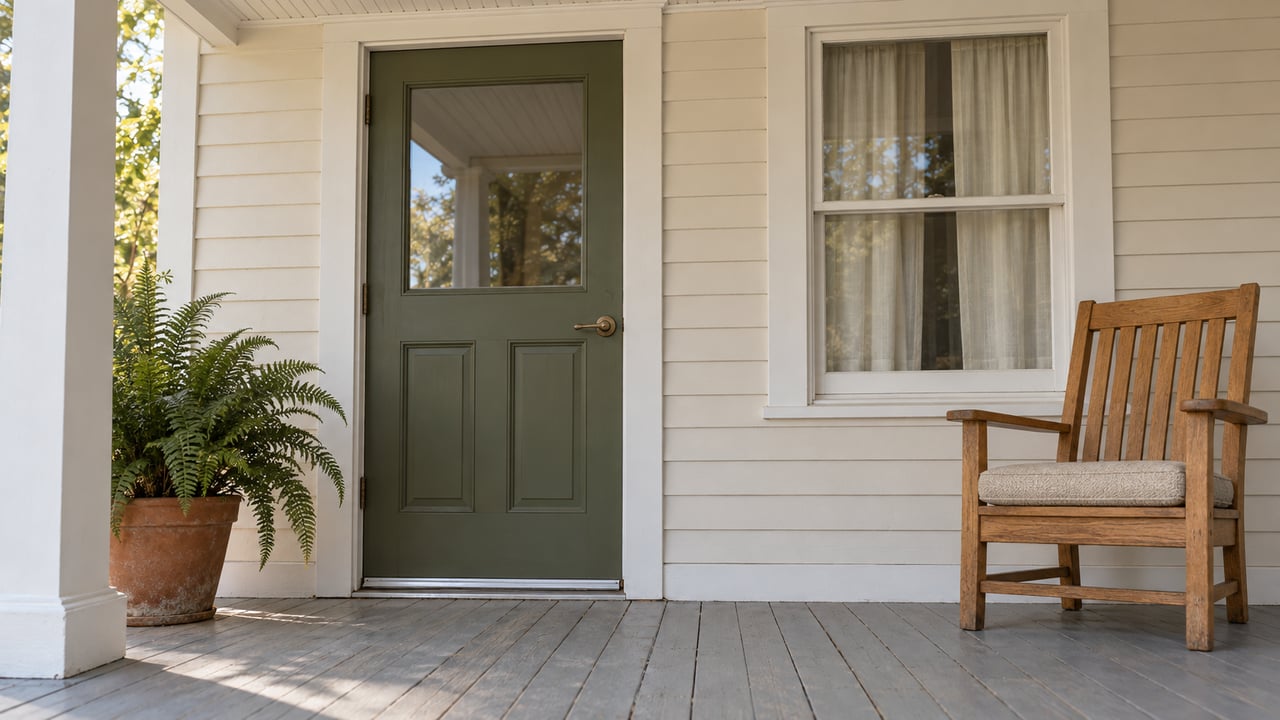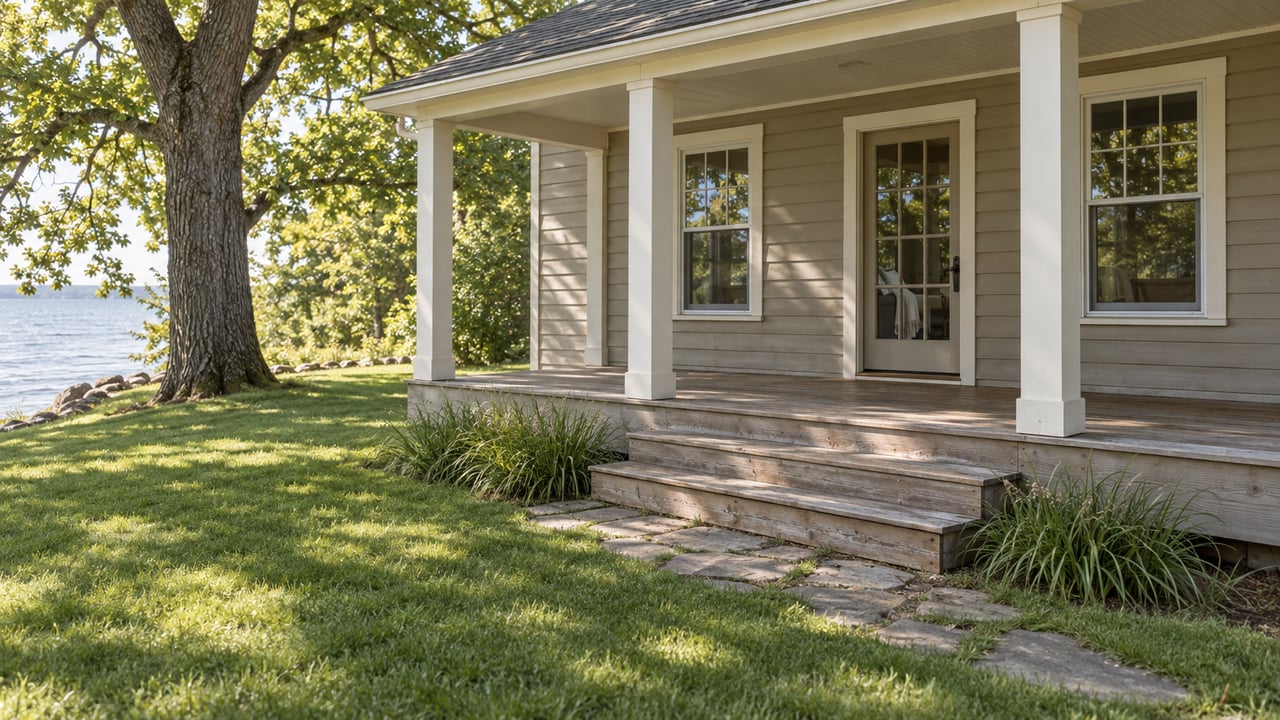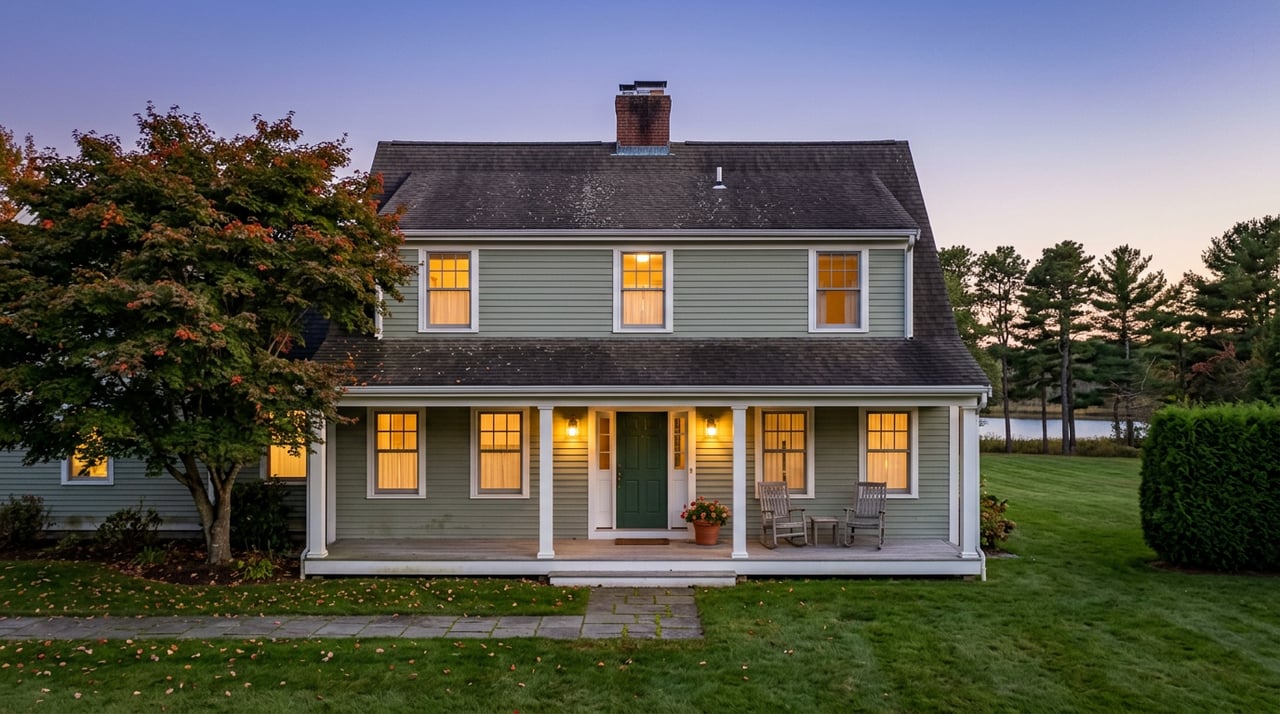
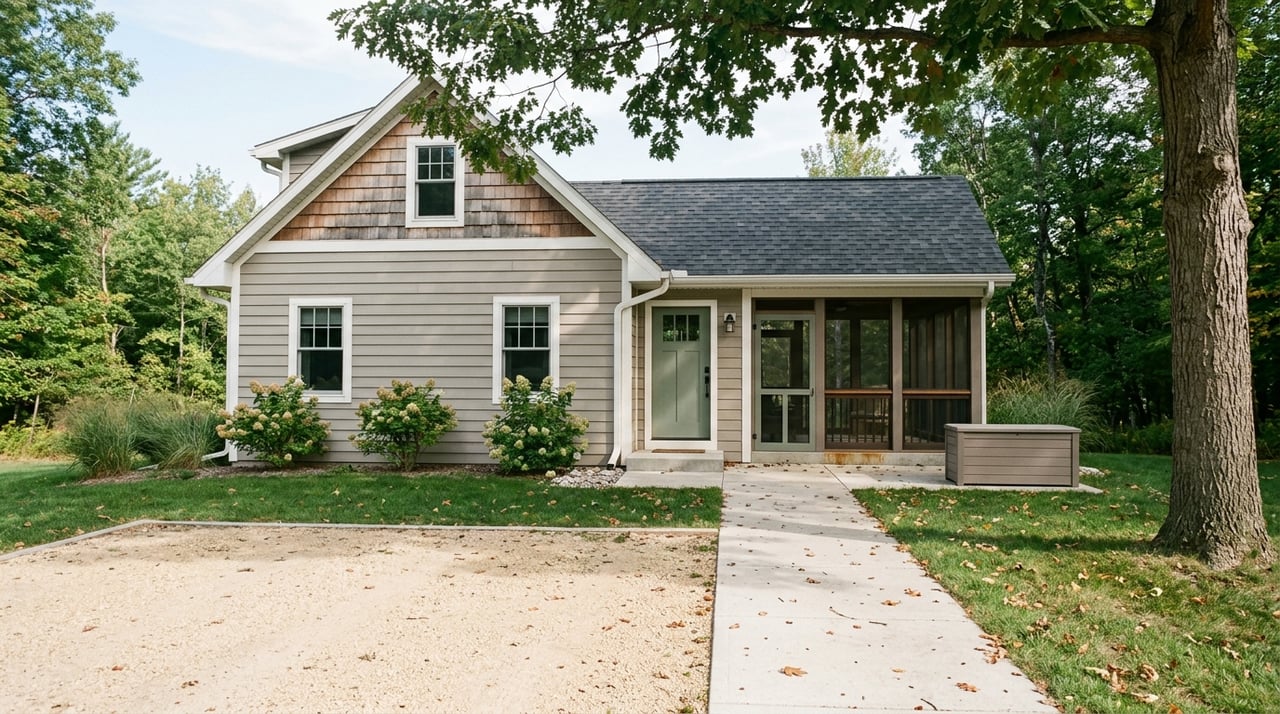
Dreaming about a Sister Lakes cottage that gives you weekend lake time now and rental income later? You are not alone. Many buyers look at this part of Van Buren County and see both a lifestyle purchase and a long-term opportunity, but the details matter. If you are weighing personal use against rental potential, this guide will help you understand what to look for before you buy. Let’s dive in.
Why Sister Lakes draws cottage buyers
Sister Lakes is best understood as a lake district, not just one small neighborhood. Local planning and corridor sources describe it as a mix of full-time residents, tourist cottages, and a busy commercial area around CR 690 and M-152. That blend gives the area a distinct second-home feel while still supporting everyday living and seasonal traffic.
The lake district includes Round Lake, Big Crooked Lake, Little Crooked Lake, Magician Lake, Keeler Lake, and Brown Lake. For you as a buyer, that means there is not one single Sister Lakes property type or lifestyle. You may be comparing different lakes, different access styles, and different ownership considerations all within the same broader market.
What kinds of cottages you may find
The clearest public clue about the housing mix comes from Keeler Township zoning. The Lakeshore Residential district is intended for medium-density single-family development on and near the lakes, including Sister Lakes, Keeler Lake, and Magician Lake. That points to a market shaped heavily by single-family lake homes and cottages.
You may also see a wider range of home types depending on the address. Keeler Township’s broader residential districts include areas meant for single-family homes, while some R-2 areas can include two-family homes, townhouses, condominiums, apartments, and other smaller-lot housing. In real terms, that can mean your search includes older seasonal cottages, updated year-round homes, or more compact near-water properties depending on the parcel.
Why zoning matters early
In Sister Lakes, zoning is not just a technical issue. It can affect what you can do with the property, how you maintain it, and what future changes may cost. If you are buying with rental potential in mind, checking the zoning district at the start can save time and prevent expensive surprises.
For example, the Lakeshore Residential district has specific dimensional rules. Keeler Township lists a minimum lot area of 12,000 square feet, a minimum lot width of 60 feet, and a 30-foot no-build buffer from the ordinary high-water mark. Those standards can directly affect additions, rebuild plans, and shoreline-area improvements.
Rental demand is closely tied to lake season
The strongest rental appeal in Sister Lakes is likely tied to summer recreation. Regional tourism information highlights boating, waterskiing, tubing, sailing, jet skiing, paddling, and sandbar swimming in the Sister Lakes area, especially around Round Lake and Magician Lake. If you are thinking like a guest, it is easy to see why a cottage near the water could attract interest during peak season.
That said, Sister Lakes is not just a summer-only destination. State tourism information points to visitor activity across fall, winter, and spring too. For you, that suggests a cottage with dependable heating, good insulation, and practical year-round access may have broader use than a property designed only for warm-weather weekends.
Features that can improve rental appeal
A pretty lake view helps, but guests usually care about convenience just as much. In a market where summer traffic gets busy and parking near local restaurants and shops can be difficult, off-street parking can become a real advantage. A property that is easy to access and easy to use often stands out.
Based on the local context, features that may support stronger guest appeal include:
- Lake access or a clear water-oriented setup
- Enough off-street parking for multiple vehicles
- Outdoor gathering space
- Reliable heating for cooler seasons
- WiFi or basic connectivity
- Straightforward year-round access
These features matter because they support how people actually use a cottage. A home that feels simple and comfortable from arrival to checkout may be more practical than one that relies only on location.
Local compliance should come first
Before you count on rental income, start with township rules. Keeler Township’s forms and ordinances materials list Rental Property Registration, and Ordinance #27 requires commercial and rental dwelling units to be registered with the township. The ordinance also calls for owner, applicant, and local-agent contact information, along with inspections and posted inspection or re-inspection fees.
That means your rental plan should begin with compliance, not assumptions. If you are buying a cottage with the idea of offering stays to guests, you will want to verify what registration, inspection, and local contact requirements apply to that specific property.
Short-term rental rules need careful review
This is one of the biggest points for Sister Lakes buyers. Keeler Township board materials from a February 25, 2026 workshop show that short-term rental rules were still being actively reviewed, with discussion about whether to move forward through a standalone short-term rental ordinance or through other zoning-related amendments. In other words, the issue was not treated as fully settled.
For you, the takeaway is simple. Do not assume that a cottage can automatically be used as a vacation rental just because it fits the market. Confirm the township’s latest position and interpretation before you buy or before you build a financial plan around short stays.
Shoreline rules can affect value and updates
Older cottages can be charming, but they can also come with limits that are easy to miss at first glance. In the Lakeshore Residential district, Keeler Township prohibits new construction or enlargement within 30 feet of the ordinary high-water mark. The ordinance also limits certain fill and drainage changes.
If you are considering a property that may need work, this matters. A cottage that looks like an easy cosmetic update could become a more complicated project if you hope to expand the footprint, rework the shoreline area, or rebuild in a different way later.
Sewer, septic, and operating costs
Utility setup can shape both maintenance needs and monthly costs. Around the lakes, sewer services are provided by the Sister Lakes Area Utilities Authority, and Keeler Township also notes that some R-2 areas are served by sanitary sewers or comparable private systems. Not every parcel will be the same.
Before buying, it is smart to confirm whether the property is connected to sewer or uses another system. That single detail can affect maintenance planning, guest use, and your long-term rental margin assumptions.
Taxes are another piece of the math
If you plan to rent a cottage to the public on a commercial basis, tax treatment matters. Michigan Treasury says use tax applies to lodging furnished by hotelkeepers, motel operators, and others furnishing accommodations to the public on a commercial and business enterprise basis. It also states that no tax is due if the room is rented continuously for more than one month.
For you, that means rental projections should include more than just gross nightly income. You will want to confirm how your planned rental activity is classified and how taxes would be collected for your specific setup.
What makes a Sister Lakes cottage a stronger bet
In this market, the best fit is often a property that works well for your own use first and has rental potential second. The most attractive cottages tend to combine water access, practical parking, manageable upkeep, and a clear path through local compliance. Those basics often matter more than flashy features.
As you compare options, focus on these due-diligence items:
- Exact zoning district
- Shoreline setback constraints
- Sewer or septic status
- Rental registration requirements
- Current township position on short-term rentals
- Parking and guest access
- Whether the home is comfortable for more than peak summer use
A thoughtful purchase in Sister Lakes starts with the right questions. When you match the property’s setup to your goals, you are much more likely to end up with a cottage that feels enjoyable, sustainable, and financially realistic.
If you are exploring cottages in Sister Lakes and want calm, local guidance through the details, Andrea Hook-Graham can help you evaluate properties with both lifestyle and long-term value in mind.
FAQs
What makes Sister Lakes different from a typical neighborhood search?
- Sister Lakes is a broader lake district with multiple lakes, a seasonal tourism pattern, and a mix of full-time homes and cottages, so property comparisons often depend on the exact lake, parcel, and zoning.
What types of cottages and homes can you find in Sister Lakes?
- Buyers may find single-family lake homes, older seasonal cottages, updated year-round homes, and some more compact residential options depending on the zoning district and address.
Can you use a Sister Lakes cottage as a short-term rental?
- You should verify that directly with Keeler Township because township materials show short-term rental rules were still under review, so use assumptions can be risky.
What local rules matter for Sister Lakes waterfront property?
- Keeler Township’s Lakeshore Residential district includes standards such as minimum lot area, minimum lot width, and a 30-foot no-build buffer from the ordinary high-water mark.
Why is parking important for Sister Lakes rental potential?
- Local sources note heavy summer traffic and limited parking near businesses, so off-street parking can improve convenience for guests and strengthen a property’s practical appeal.
Should you check sewer or septic before buying in Sister Lakes?
- Yes, because utility setup varies by parcel and can affect maintenance, operating costs, and how easily the property functions for personal use or guests.